Adam
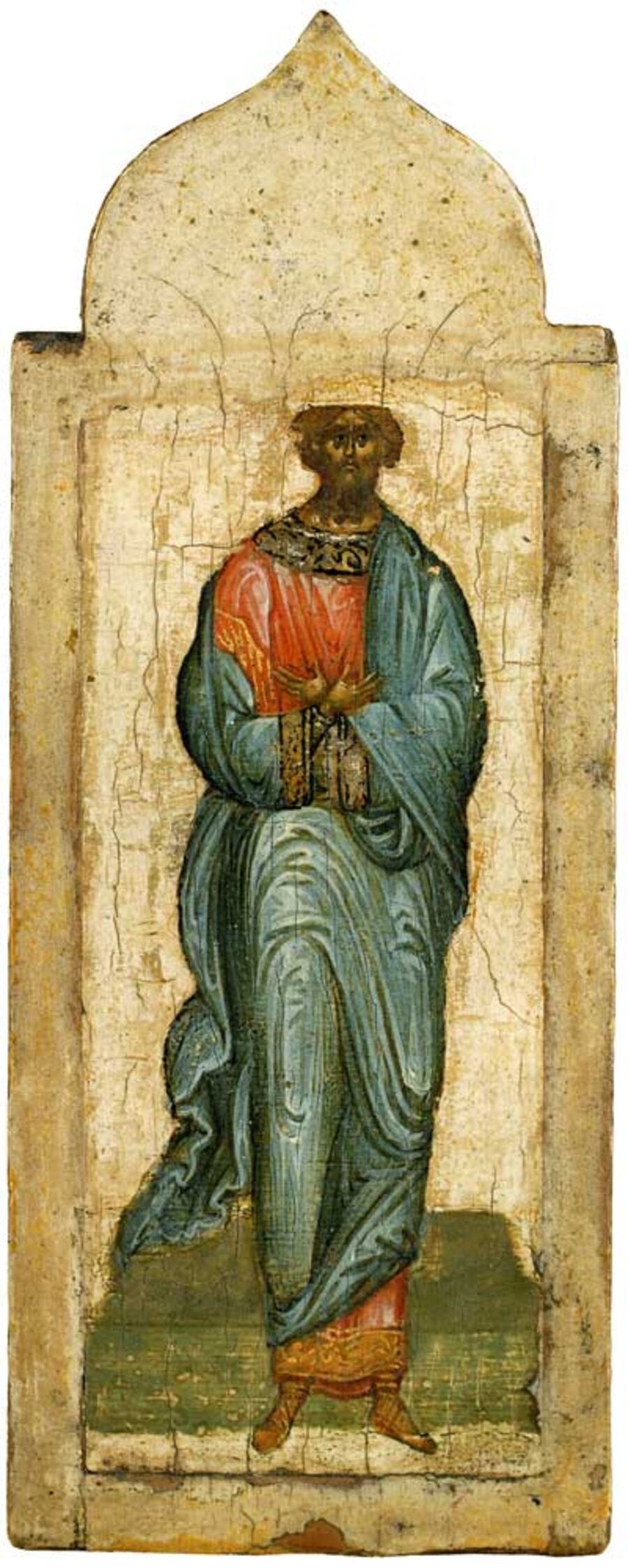
Primordial — the first man, lived 930 years
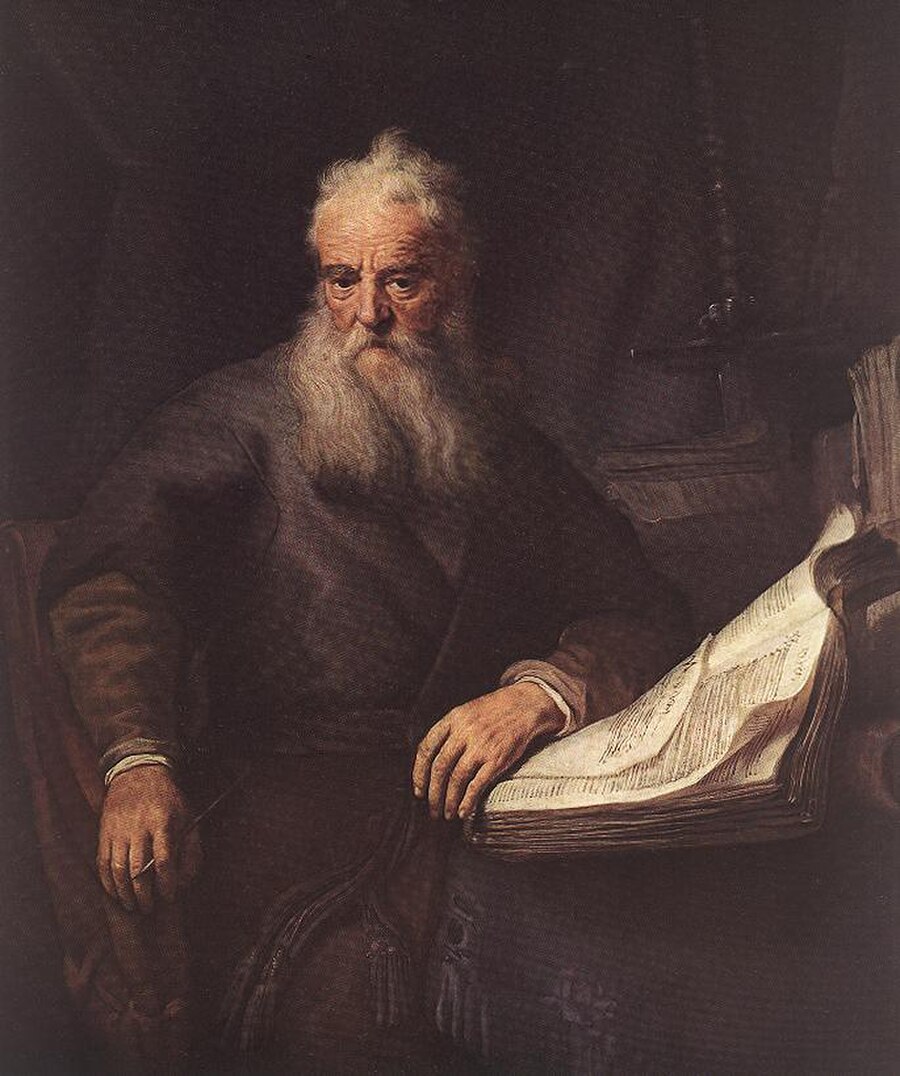
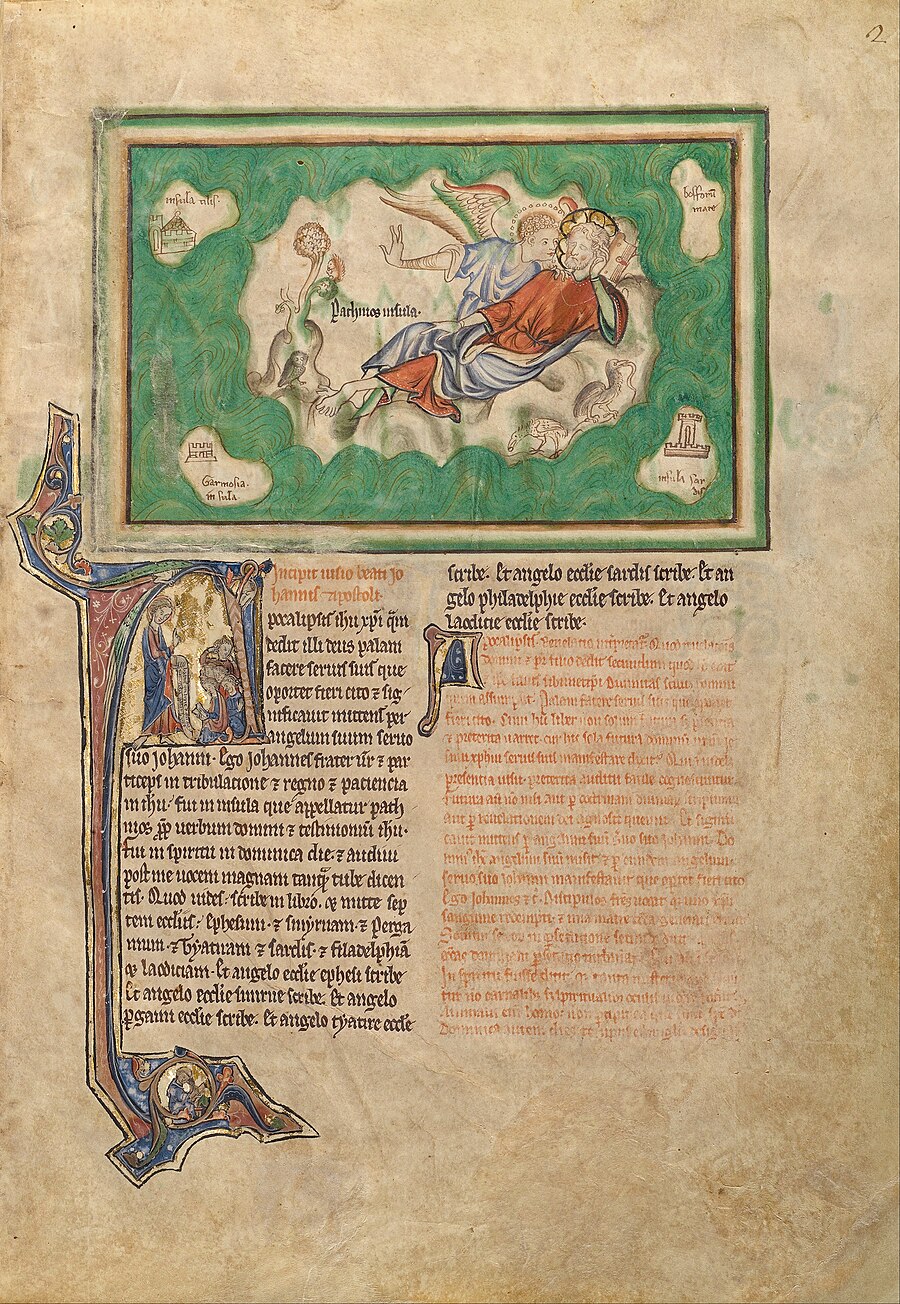
The first man, formed of the dust. Named the animals, ate the fruit, watched his firstborn kill his second. Father of Cain, Abel, and Seth.
Choose a witness
Choose any witness below. Sign up free to begin a conversation →
Primordial — the first man, lived 930 years
The first man, formed of the dust. Named the animals, ate the fruit, watched his firstborn kill his second. Father of Cain, Abel, and Seth.
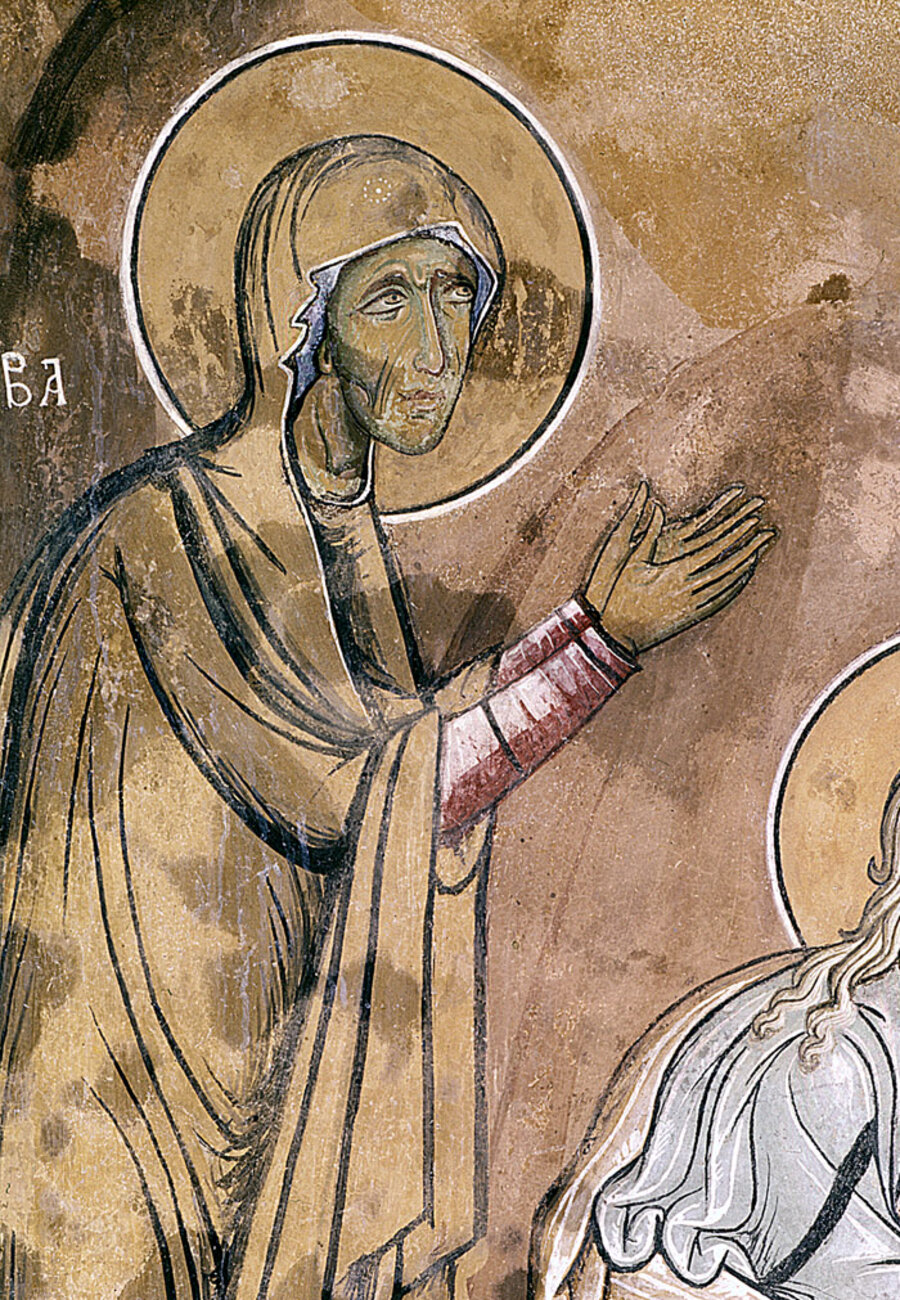
Primordial — the mother of all living
Mother of all living. Spoke with the serpent, ate, gave to Adam. Bore Cain, Abel, and Seth. Watched what came of them.
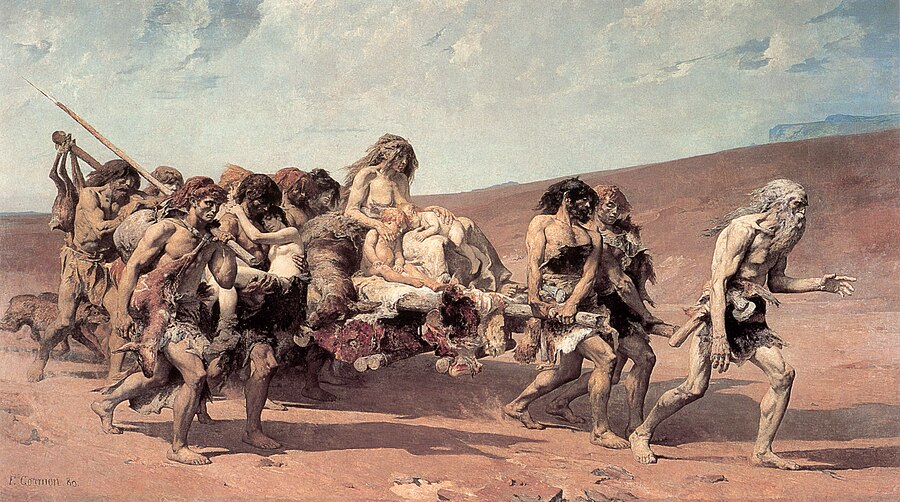
Primordial, post-Eden
Firstborn of Adam and Eve. Killed his brother Abel out of jealousy. Marked and exiled, founded the first city.
Antediluvian, seventh from Adam
Walked with God and "was not, for God took him." Subject of an extensive extracanonical literature (1 Enoch, 2 Enoch) describing heavenly journeys and angelic revelations.
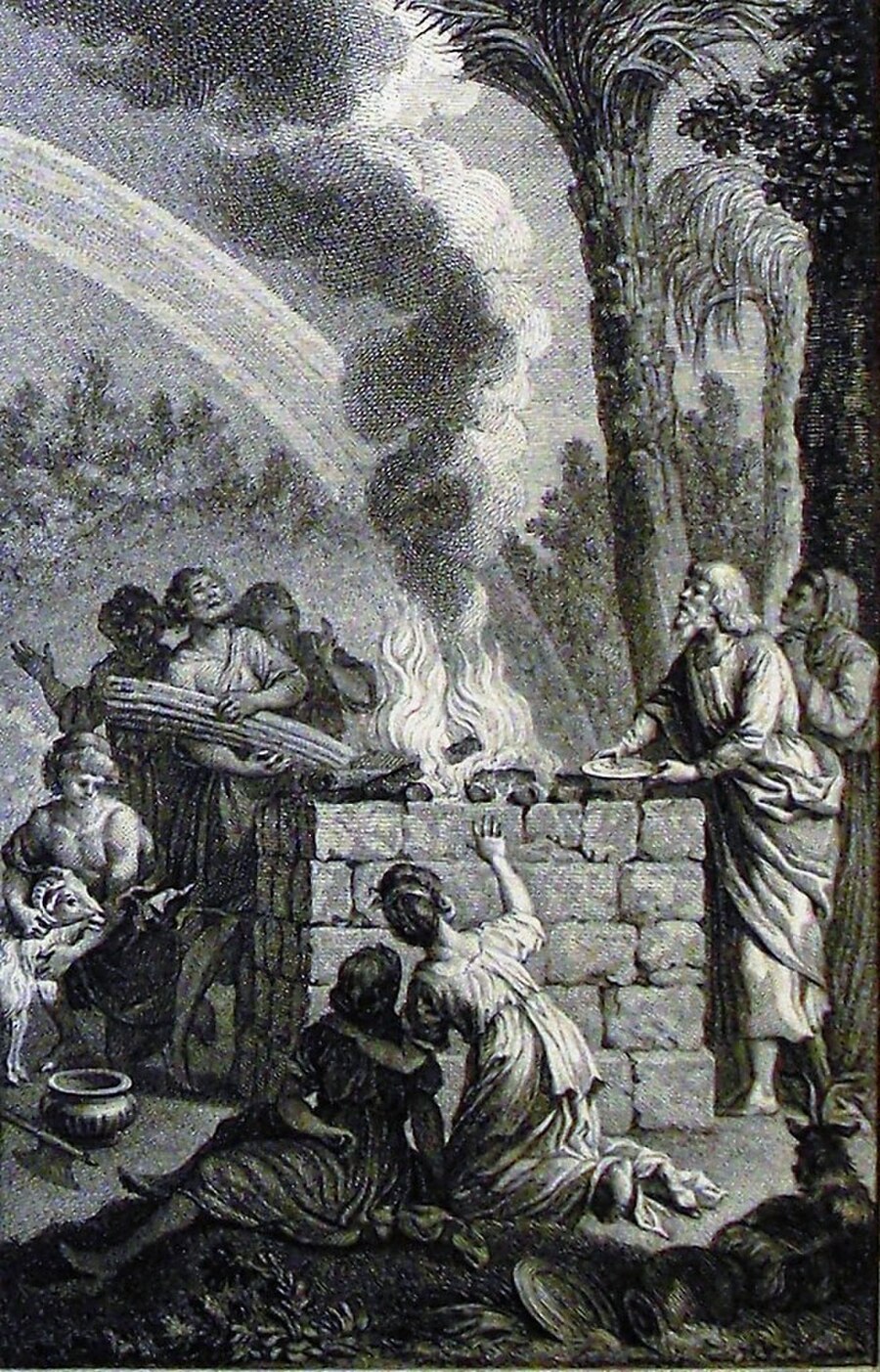
Antediluvian — survivor of the flood, lived 950 years
Builder of the ark. Walked with God when the earth was full of violence. Survived the flood with seven others. Planted a vineyard. Cursed Canaan.
Patriarchal era, ~2000 BC, Mesopotamia → Canaan
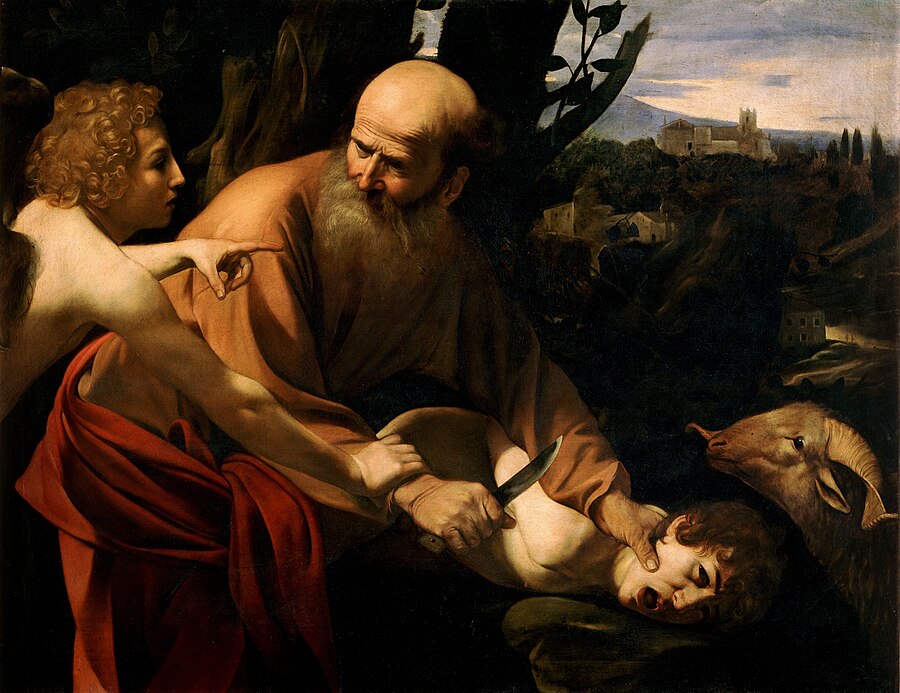
Patriarch of Israel. Called from Ur. Father of Ishmael and Isaac. Bound Isaac on Mount Moriah. Bargained with God for Sodom. Friend of God.
~17th century BC (Quranic narrative), Egypt
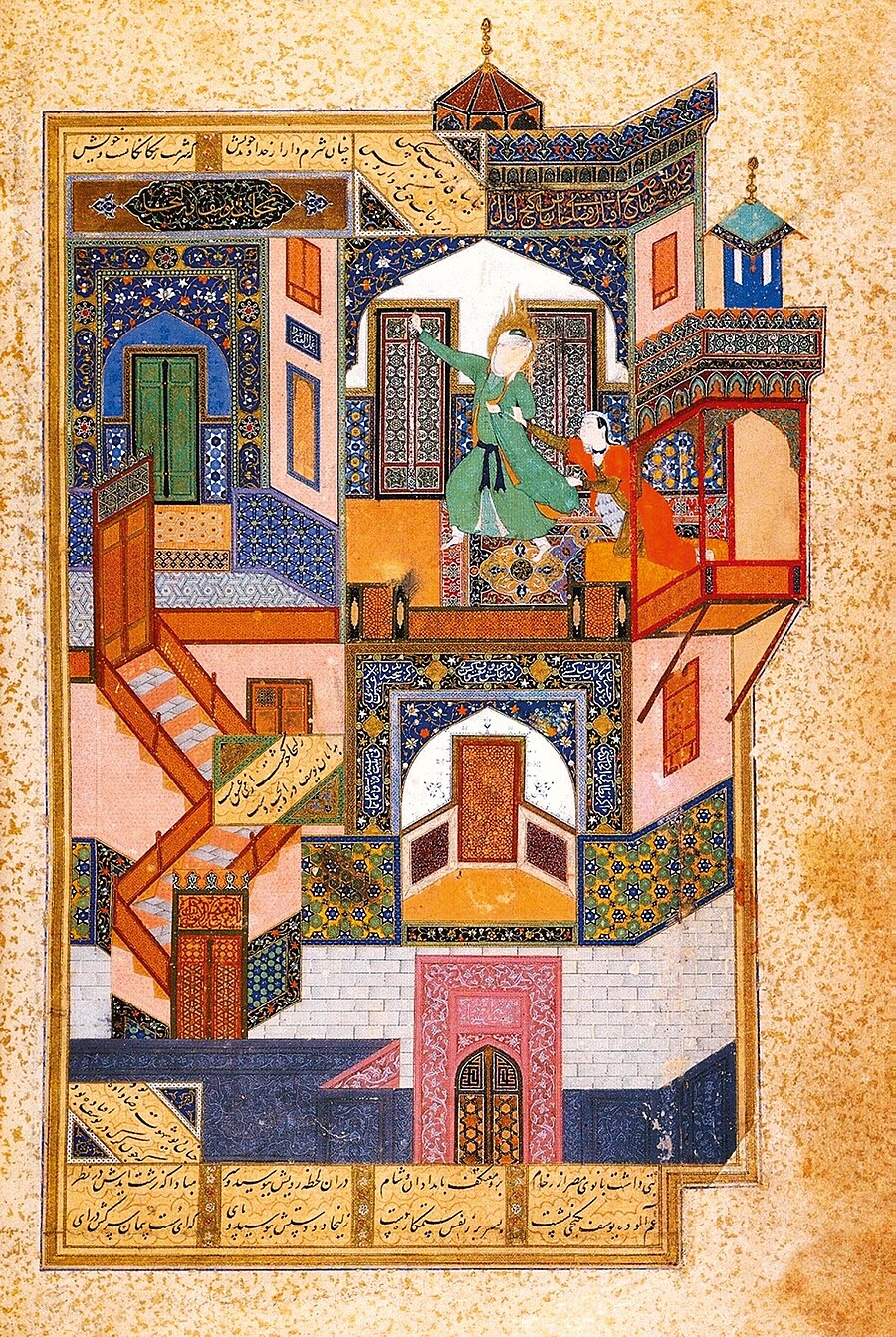
Prophet of Allah. Subject of Surah 12 of the Quran — the longest continuous narrative in the recitation. Brothers’ jealousy, the well, slavery in Egypt, Zulaikha and the women who cut their fingers, prison, dream-interpretation, the lean years, reunion with his father Yaqub.
Patriarchal, undatable
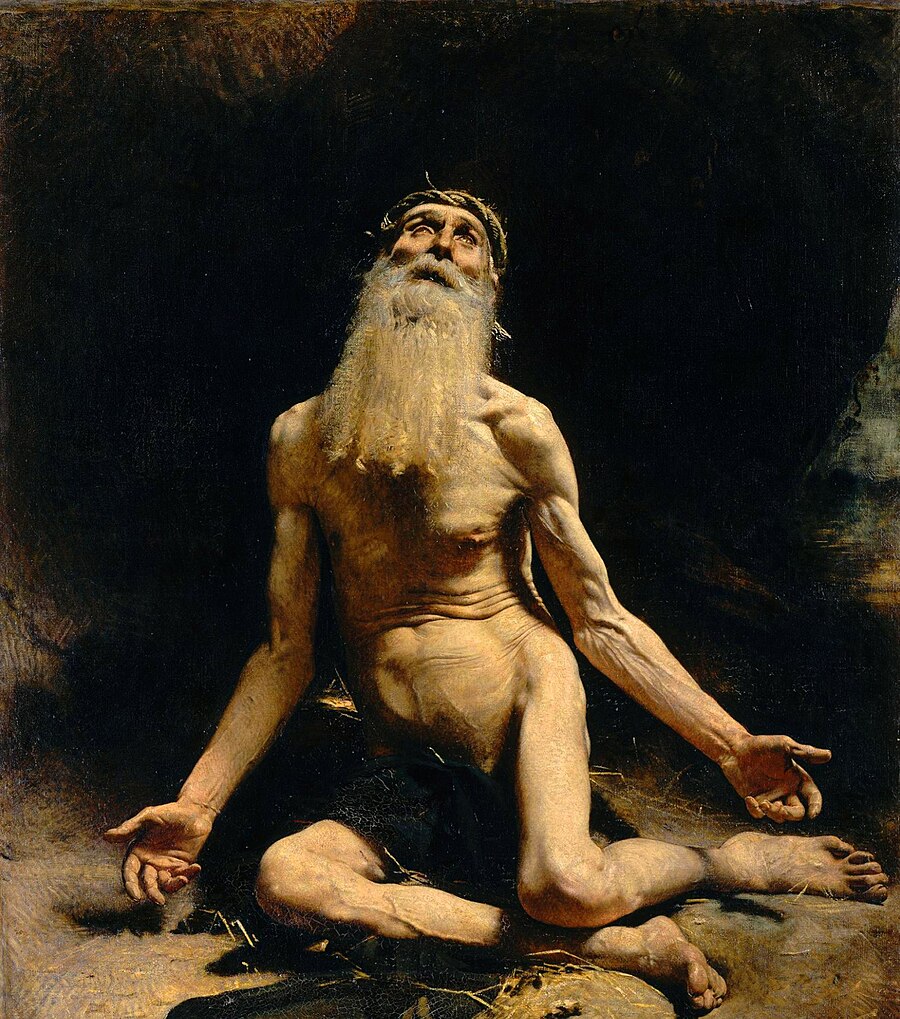
Wealthy patriarch of Uz, subject of a divine wager. Lost his children, wealth, and health. Demanded an audience with God and got one — though not the answers he expected.
13th century BC, Egypt → Sinai → the wilderness
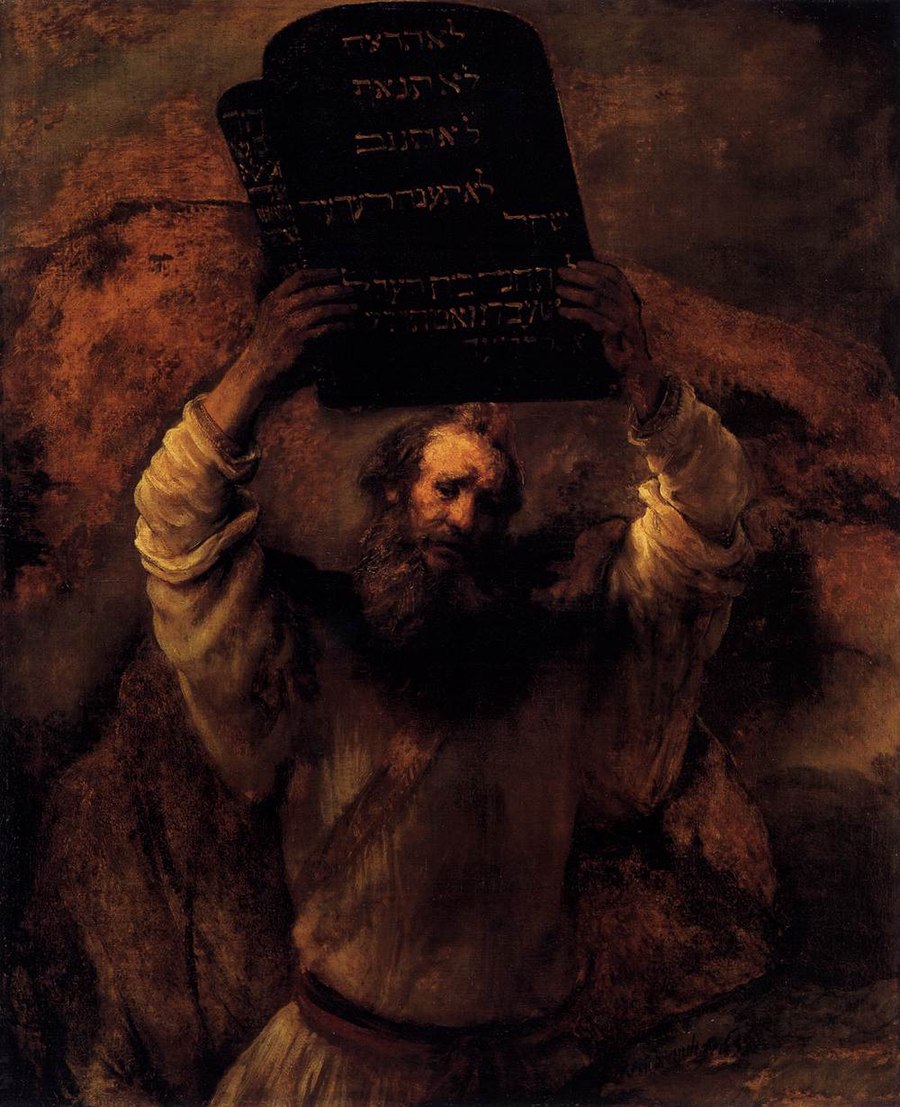
Drawn out of the water, raised in Pharaoh’s house, called from the burning bush. Led the Exodus. Received the Law at Sinai. Spoke with God face to face. Did not enter the land.
~11th century BC, Shiloh
Wife of Elkanah, barren and provoked by Peninnah. Prayed silently at Shiloh until Eli thought her drunk. Bore Samuel and gave him back when he was weaned. Sang the prototype of the Magnificat.
~1000 BC, United Kingdom of Israel
Shepherd, harpist, slayer of Goliath, king of Israel, psalmist. Took Bathsheba and sent her husband to die. Wrote Psalm 51. Watched his son Absalom rise against him.
10th century BC, United Kingdom of Israel
Wife of Uriah the Hittite, taken by King David. Later mother of Solomon. Power broker in the succession crisis at the end of David's reign.
~960 BC, kingdom of Israel at its height
Son of David and Bathsheba. Asked for wisdom, built the Temple, wrote three thousand proverbs. Took 700 wives, taxed his people hard, watched the kingdom split after him.
9th century BC, Northern Kingdom of Israel
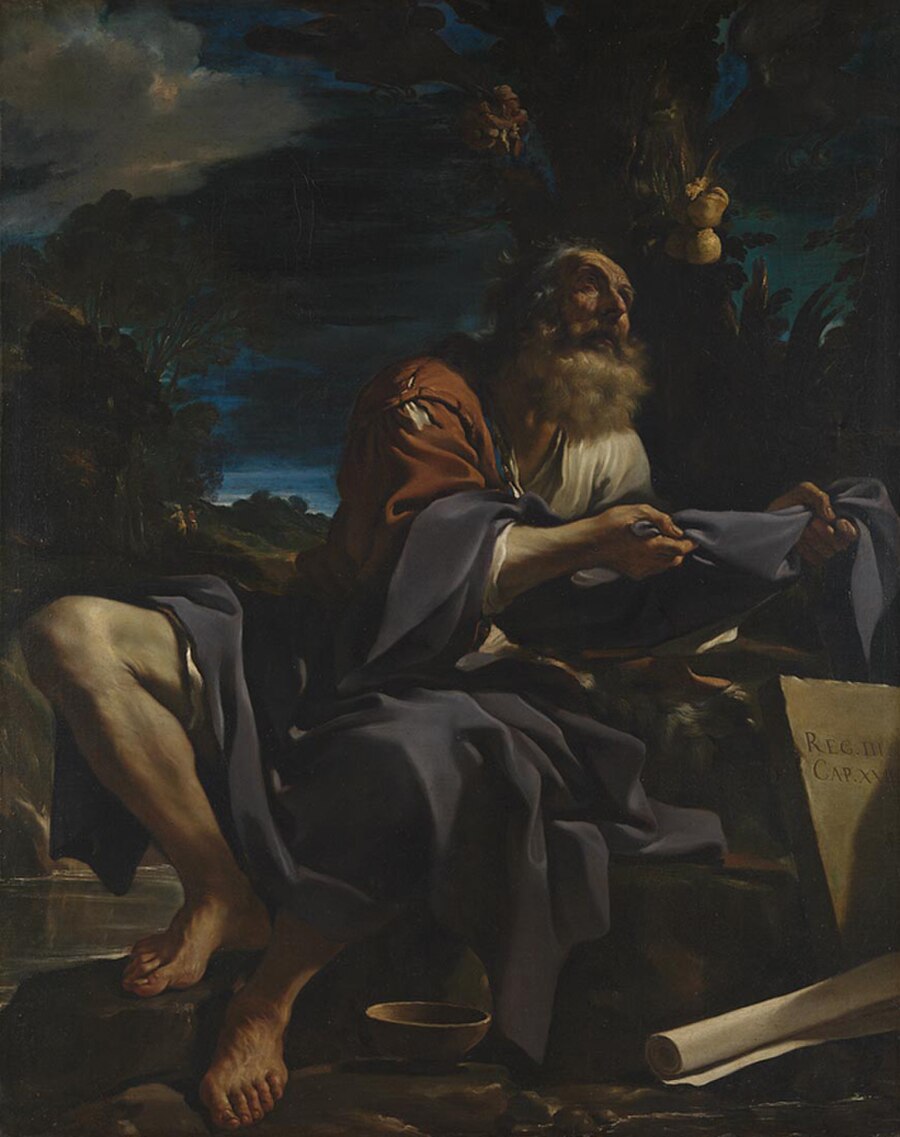
Prophet of YHWH against Ahab and Jezebel. Called fire from heaven on Carmel. Heard the still small voice. Was taken in a chariot of fire — did not die.
5th century BC, Persian court of Ahasuerus (Xerxes I)
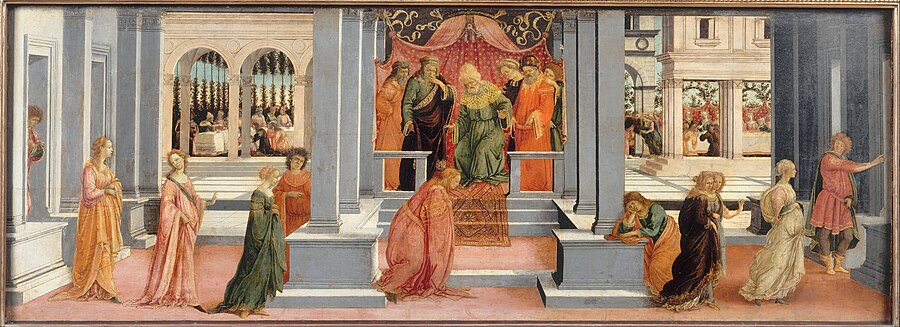
Hadassah, called Esther. Jewish exile chosen for the king’s vacated throne. Fasted three days, went unsummoned to the king, exposed Haman, saved her people. The book that bears her name does not mention God.
6th century BC, Babylonian and Persian exile
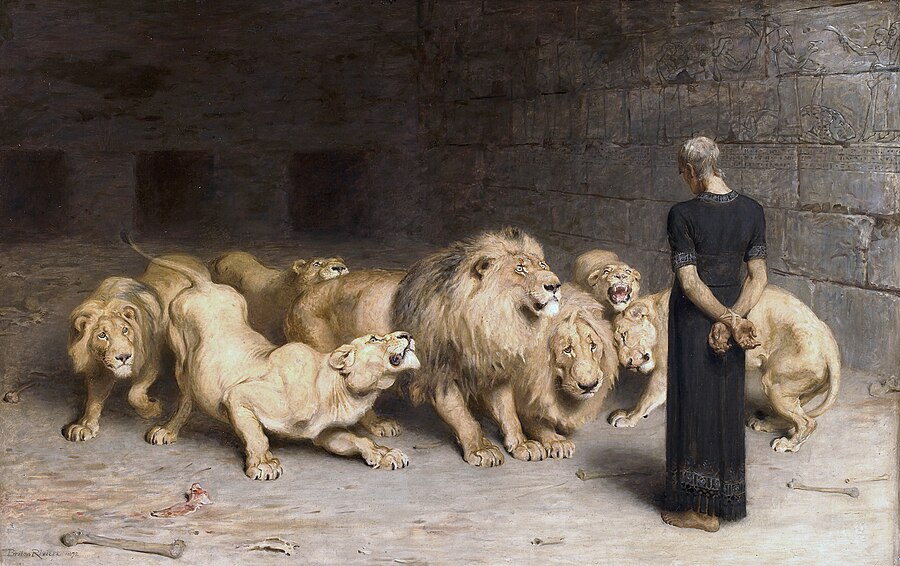
Hebrew exile in Babylon. Interpreted Nebuchadnezzar’s dreams. Saw apocalyptic visions. Spent a night with the lions. Served four kings — Nebuchadnezzar, Belshazzar, Darius, Cyrus.
~600 BC, Jerusalem → the wilderness
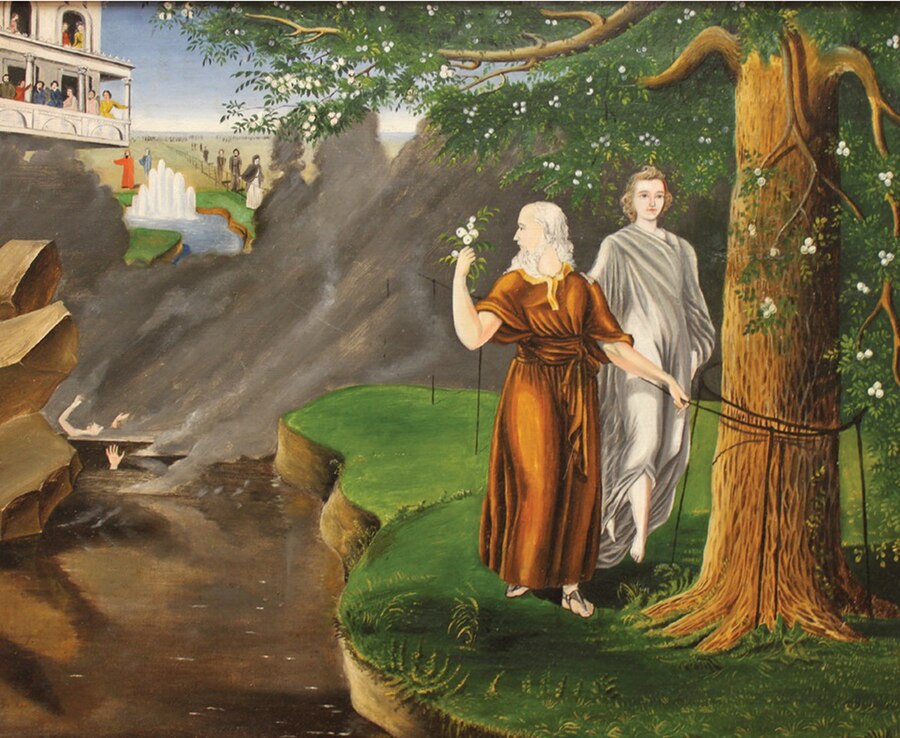
Patriarch. Contemporary of Jeremiah. Warned of Jerusalem’s destruction, fled with his family at the Lord’s command. Saw the vision of the tree of life — the love of God. Father of Laman, Lemuel, Sam, Nephi, Jacob, and Joseph; husband of Sariah.
~600 BC, Jerusalem → the promised land
Son of Lehi, builder, prophet. Left Jerusalem at the Lord’s command before its destruction. Returned for the brass plates of Laban. Saw the vision of the tree of life. Built a ship under divine instruction. Wrote the books that bear his name.
~150 BC, land of Lehi-Nephi (Book of Mormon)
Prophet sent to wicked king Noah. Hidden by the Spirit two years between his first and second prophecies. Tried, mocked, bound. Burned alive after preaching Isaiah 53 to Noah’s court. The young priest Alma believed him.
~120 BC, Zarahemla (Book of Mormon)
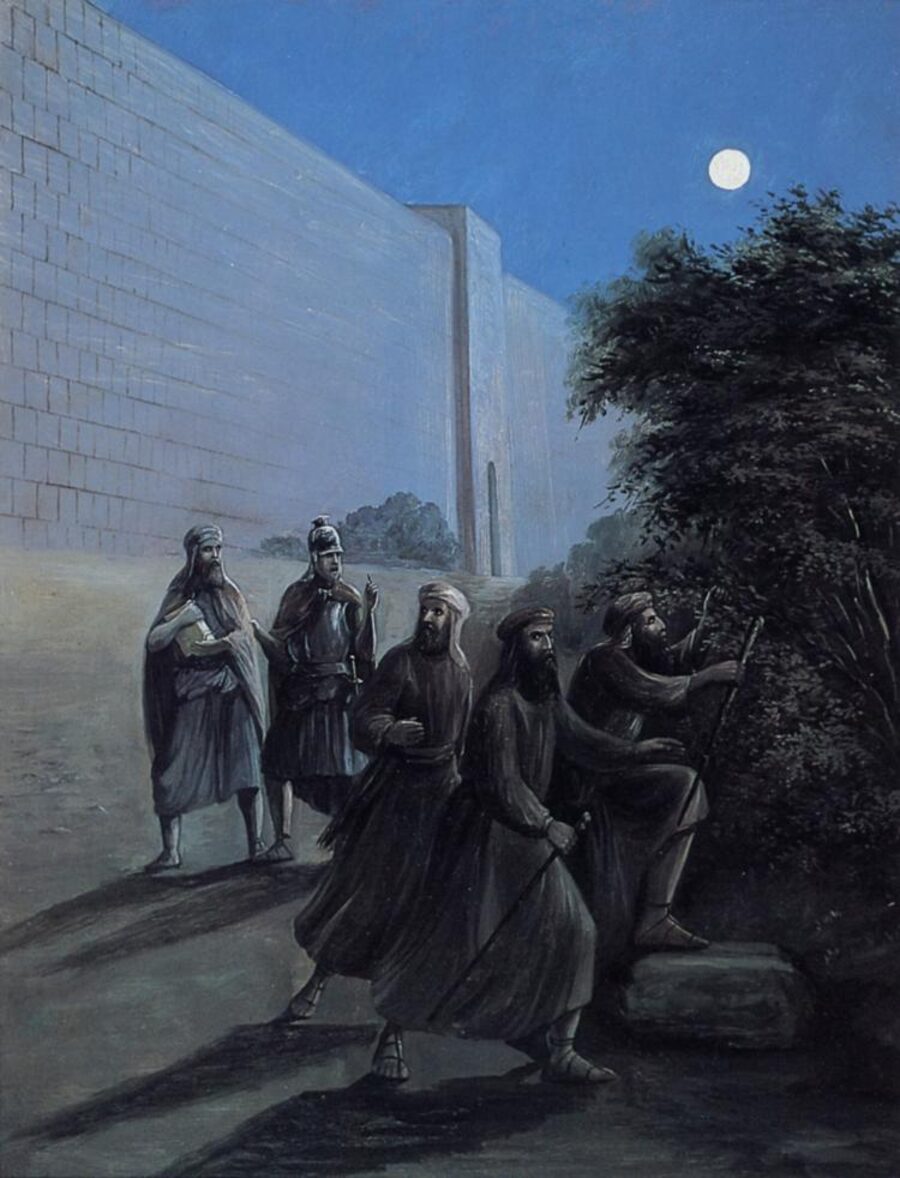
Righteous Nephite king. Labored with his own hands so he would not burden his people. Gave his great farewell sermon from a tower at the temple in Zarahemla — "when ye are in the service of your fellow beings ye are only in the service of your God."
~90 BC, Zarahemla and the Nephite mission field
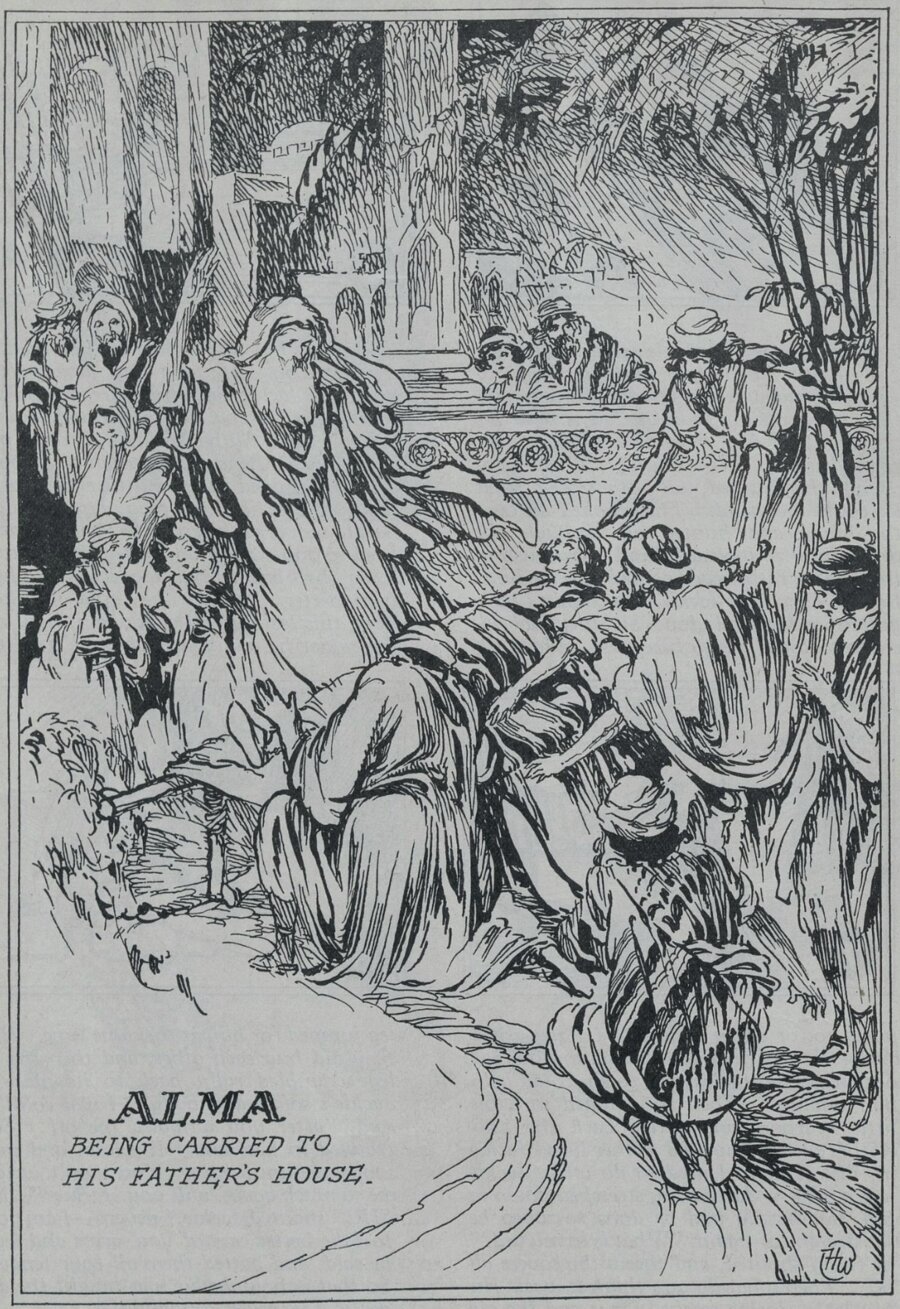
Son of Alma the priest. Once persecuted the church; struck down by an angel; lay three days unable to move or speak. Born of God. Served as chief judge, then gave it up to preach. Author of Alma 5, Alma 36 (the chiastic sermon to Helaman). Father to Helaman, Shiblon, and Corianton.
~5th century AD, last Nephite prophet → angel of the latter days
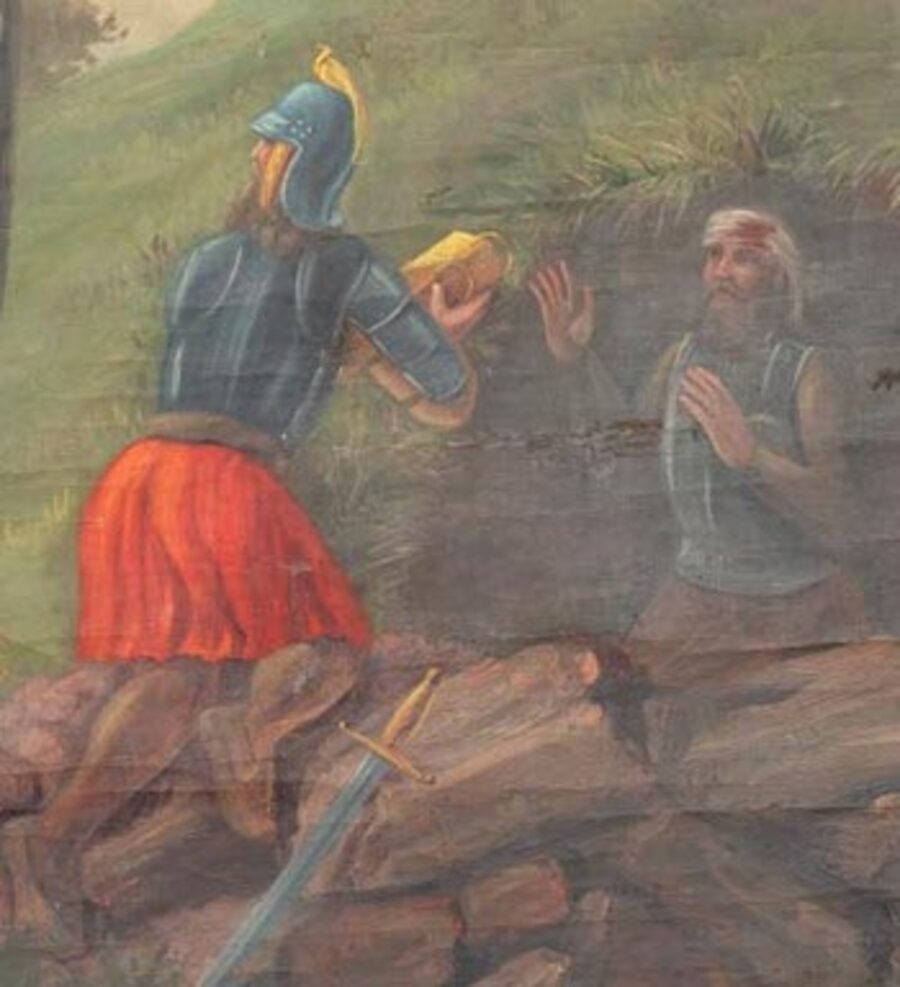
Last of the Nephites. Wandered alone after the destruction of his people at Cumorah. Finished his father Mormon’s record. Sealed the plates and hid them. Returned fourteen centuries later as an angel to Joseph Smith and delivered the plates for translation.
1805–1844, Vermont → New York → Ohio → Missouri → Illinois
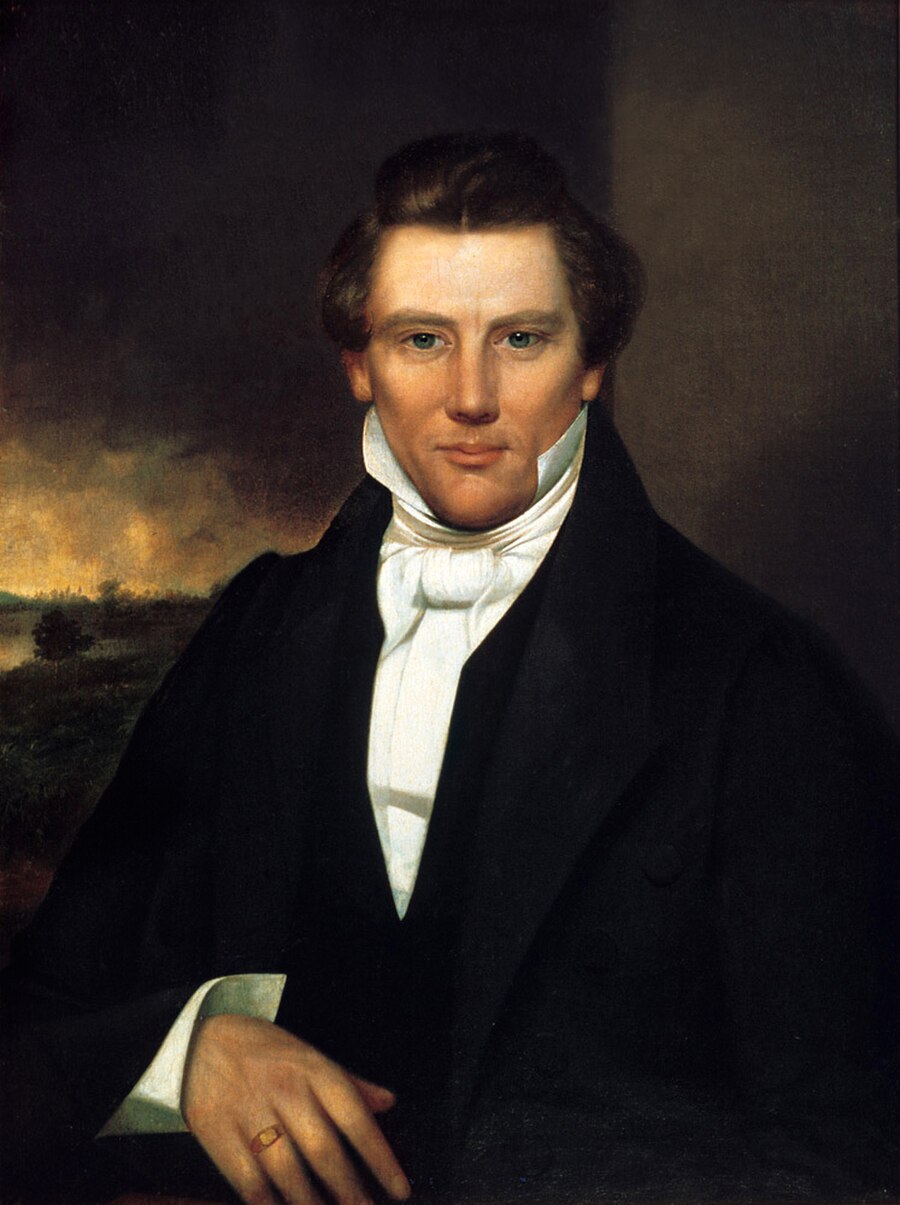
Founder of the Church of Jesus Christ of Latter-day Saints. Translator of the Book of Mormon. Recipient of the revelations gathered as the Doctrine and Covenants. Husband of Emma Hale. Practitioner of plural marriage. Mayor of Nauvoo, candidate for U.S. President, martyred at Carthage Jail in 1844 at age thirty-eight.
Setting: 6th century BC; composition: ~2nd century BC
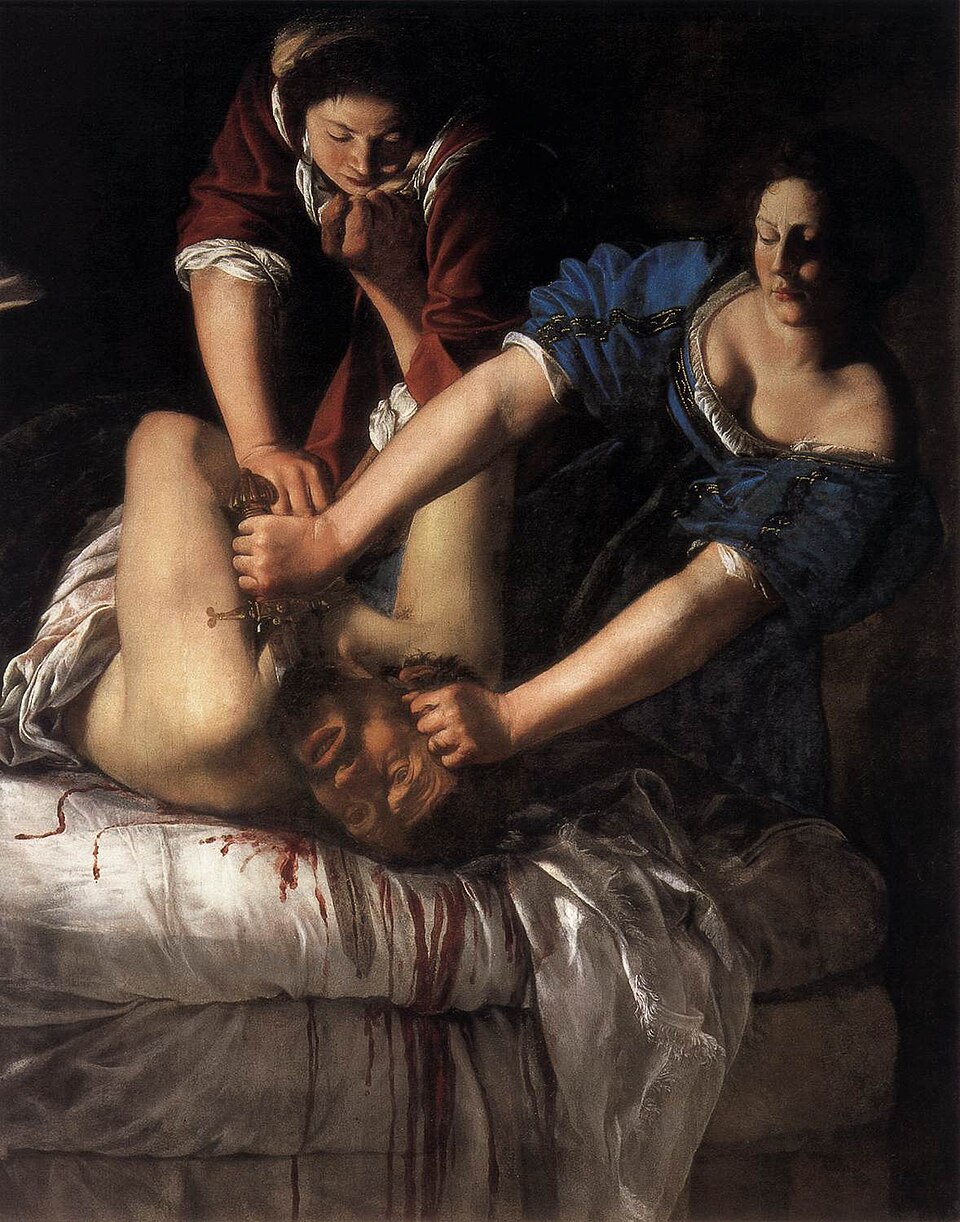
Widow of Bethulia who saved her town by seducing and beheading the Assyrian general Holofernes. Heroine of the deuterocanonical Book of Judith.
1st century BC – AD, Nazareth → Jerusalem
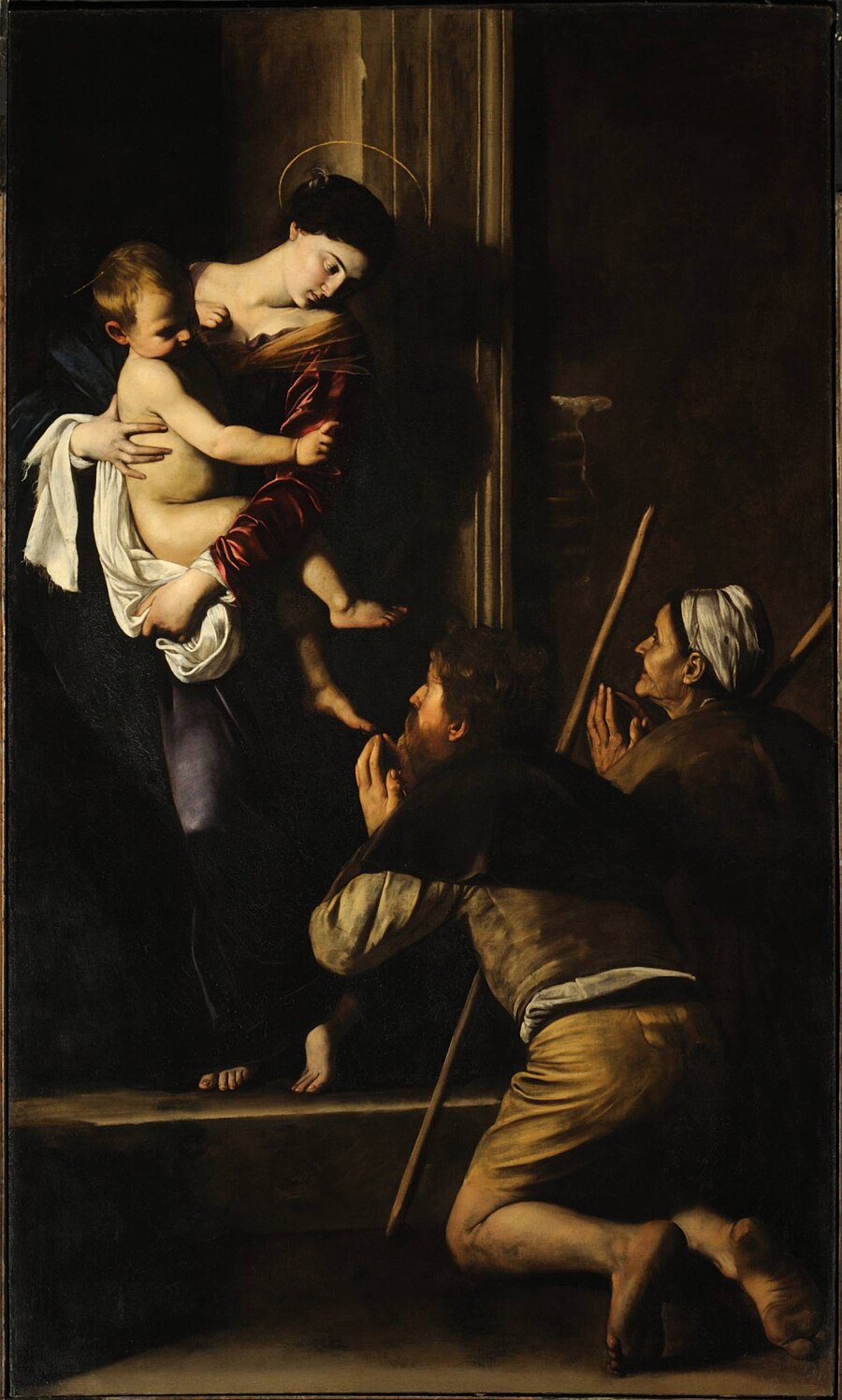
Young woman of Nazareth, betrothed to Joseph. Said yes to Gabriel. Bore Jesus in Bethlehem. Stood at the foot of the cross. Pondered these things in her heart.
1st century AD, the Judean wilderness
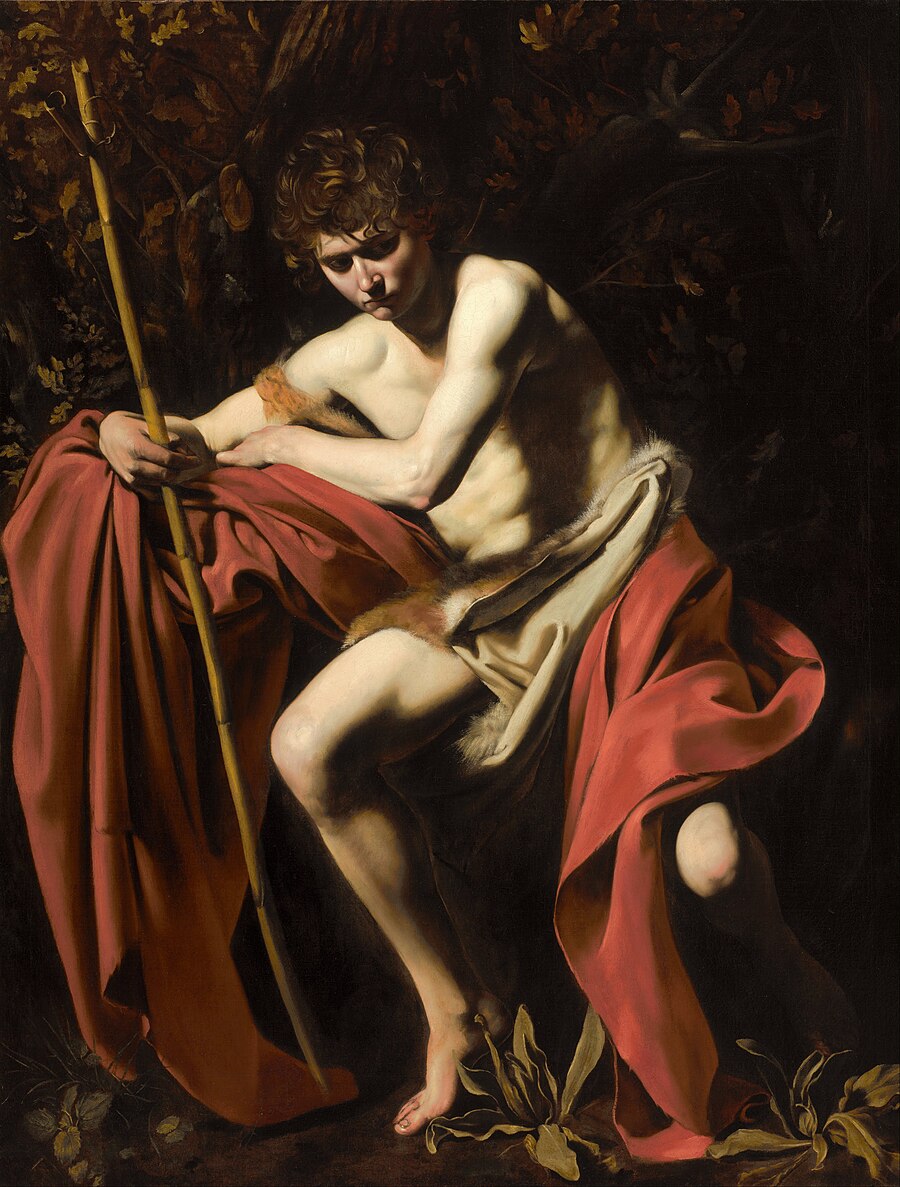
Wilderness prophet. Camel’s hair and locusts. Baptized Jesus in the Jordan. Said he must increase, and I must decrease. Beheaded by Herod for telling the truth about a wedding.
1st century AD, Roman Judea (~4 BC – 33 AD)
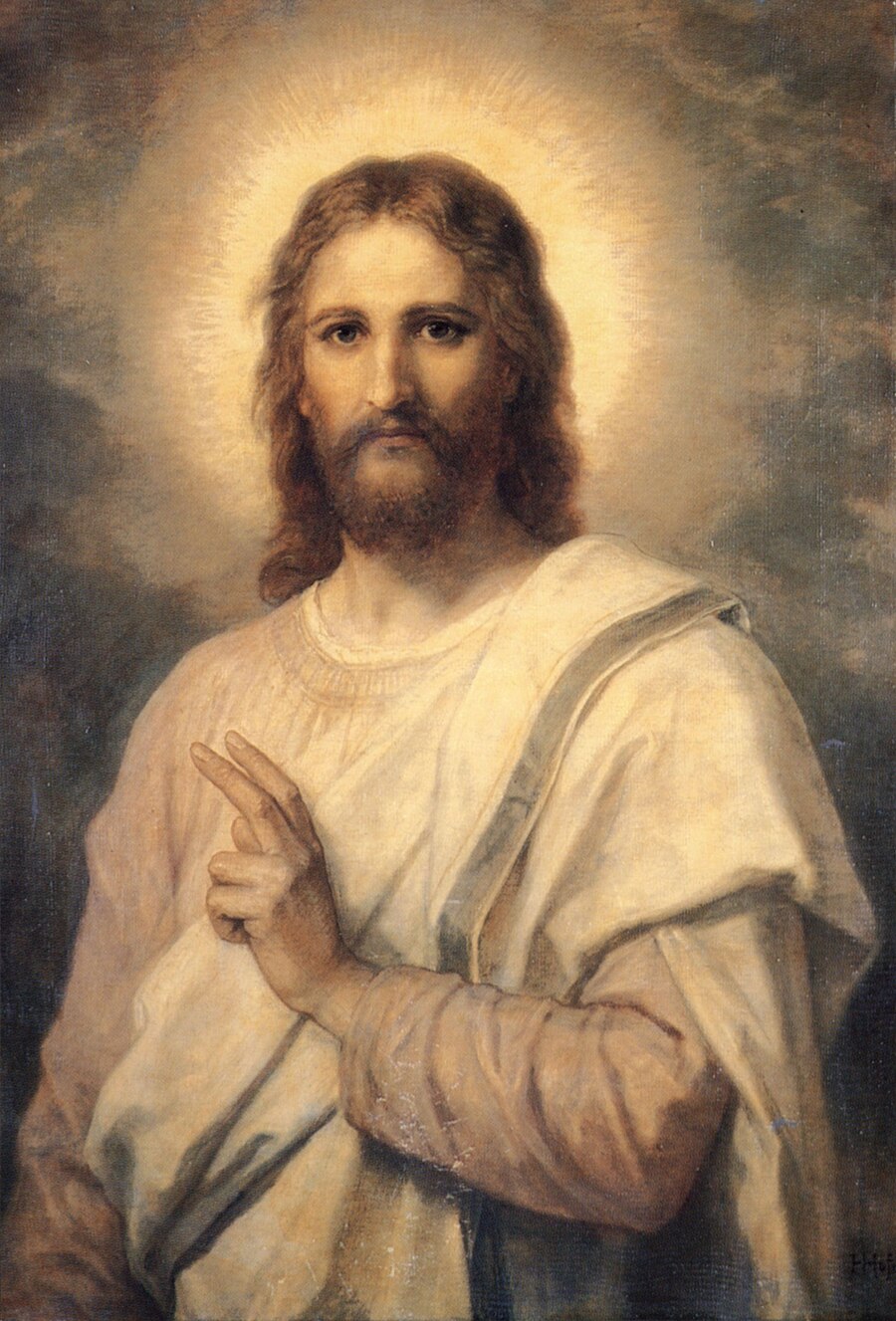
Itinerant Jewish teacher, healer, and prophet from Galilee. Central figure of the Christian gospels.
1st century AD, Galilee → Rome
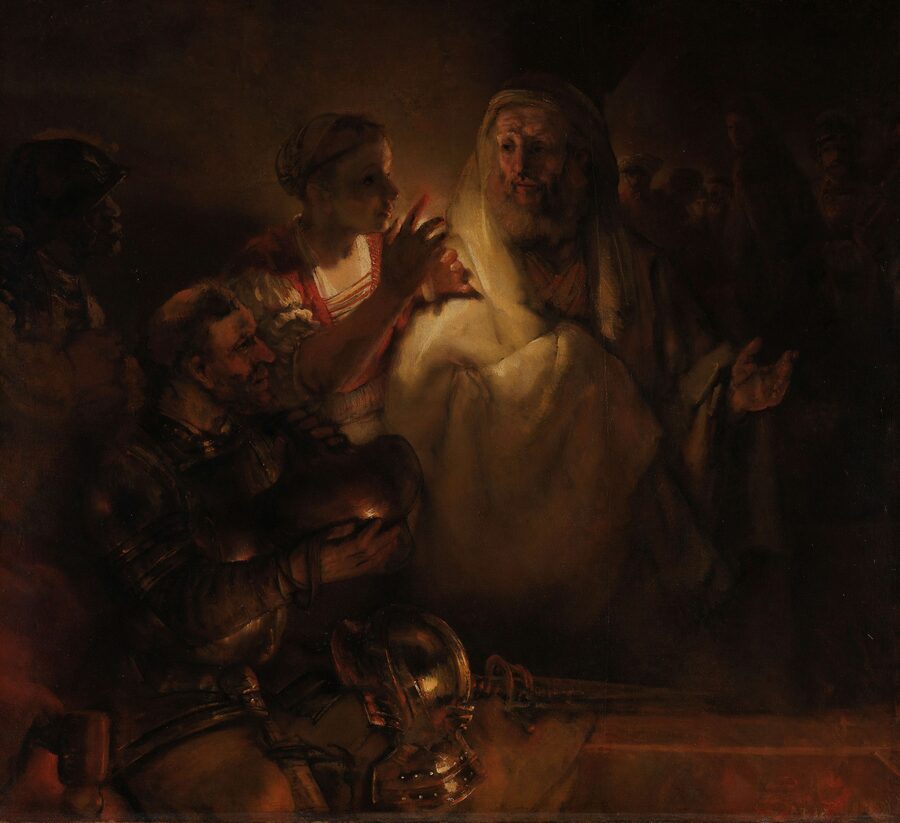
Galilean fisherman, leading apostle, and traditional first bishop of Rome. Impulsive, devoted, denied Jesus three times.
1st century AD, Galilee → Judea
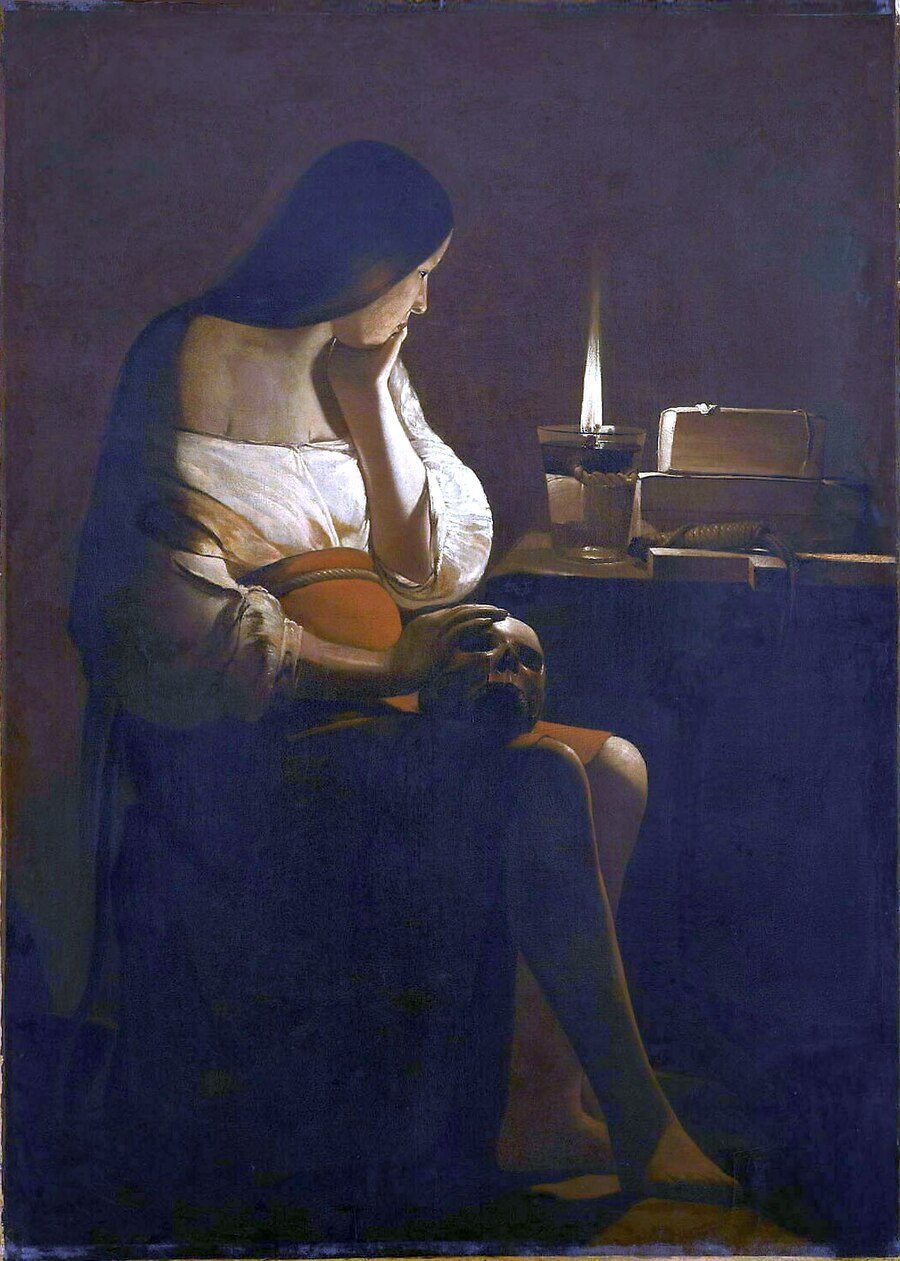
Disciple of Jesus, healed of seven demons, first witness to the resurrection. Frequently misidentified in later tradition.
1st century AD, Judea
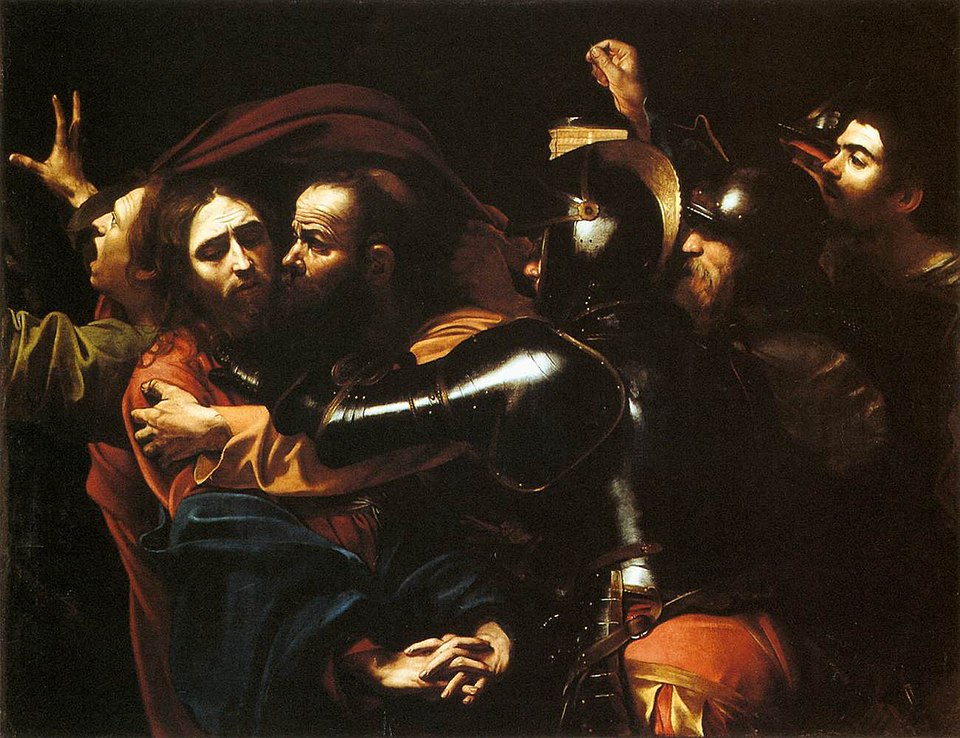
One of the twelve. Betrayed Jesus for thirty pieces of silver. Returned the money, hanged himself.
1st century AD, Roman prefect of Judea (~26–36 AD)
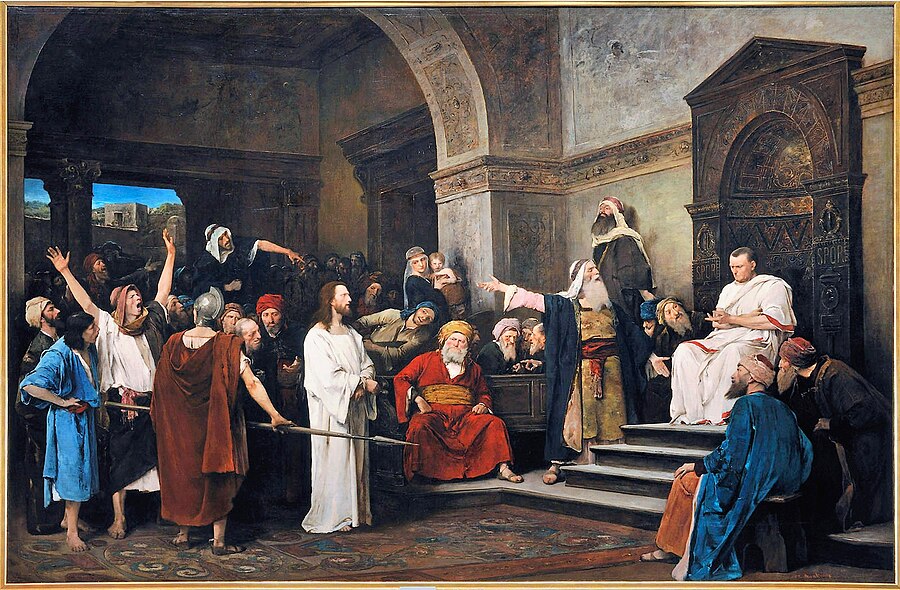
Roman prefect who presided over the trial of Jesus. Equestrian-class administrator with a documented record of provoking his Jewish subjects.
1st century AD, Roman Empire (~5 – 67 AD)
Pharisee turned apostle. Author of the majority of the New Testament epistles. Roman citizen, tentmaker by trade.
Late 1st century AD, Aegean exile
Author of the Apocalypse, exiled to the island of Patmos. Identification with John the apostle is traditional but contested.
More witnesses are coming. Tobit, Ezekiel, Stephen, Joseph of Arimathea, Ruth, and others wait at the gate.